
What is Trauma, Types of Trauma, and Trauma Symptoms
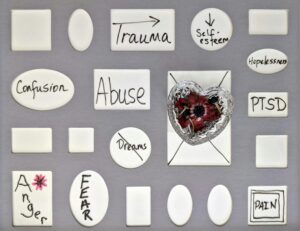
After studying and treating trauma for almost 13 years now, my understanding of trauma has grown and evolved. Let’s take a look at the definition of trauma, the different types of trauma, and how they manifest in a person in the form of symptoms.
Let’s Define Trauma
Trauma is defined as an event, several events, or situations experienced by a person that causes physical or emotional harm or is life threatening, and has long term effects on the person’s ability to function, as well as impact their well-being in the following areas: physical, psychological, social, emotional, and spiritual (SAMHSA, 2014).
Types of Trauma
There are different types of trauma and we will describe each of these types of trauma:
Acute Trauma: A one-time event such as a car accident, robbery, or natural disaster.
Adverse Childhood Experiences (ACES): Early childhood experiences where a person is or was subject to childhood abuse, neglect, divorce or living with a family member addicted to alcohol or other substances. ACES originated from a study by the Centers for Disease and Prevention Control (CDC) who created an ACES screener that indicates a person’s risk for negative outcome the more adverse childhood experiences the person has gone through.
Carceral Trauma: When people are being detained, separated, or isolated from their families and larger communities, or are incarcerated, they experience carceral trauma. Carceral trauma affects not only incarcerated individuals, but also their families, correctional staff in prison facilities, and ultimately the communities.
Chronic Trauma: When trauma is repeatedly experienced, in one or multiple forms, over a period of time, a person can be said to experience chronic trauma. This may include domestic violence, sexual abuse in childhood or in an intimate partner relationship.
Complex Trauma: Similar to chronic trauma, complex trauma is a result of repeated traumatic events. However, in complex trauma, the interpersonal traumas stem from childhood that can affect one’s self-concept, emotional dysregulation, and create trust issues. It is also known as C-PTSD because in addition to the conventional PTSD symptoms, it has features of interpersonal and attachment wounding and challenges.
Historical and Intergenerational Trauma: Much less discussed when we consider trauma is the idea of historical trauma. Historical trauma is a form of collective trauma specific to an ethnic or cultural group due to oppression and is passed down from one generation to the next. For example, people who experience historical and intergenerational trauma have experienced slavery, colonialization, or other forms of systemic oppression.
Immigration Trauma: When people are purged from, become refugees, or voluntarily migrate from one country to another, they are predisposed to immigration trauma.
Racial Trauma: When people are exposed to bias, racism, and prejudice on a systemic level on a regular basis, they experience racial trauma. Racial trauma can be understood in terms of overt and covert racism. While overt racism is more explicit and includes responses that are clearly discriminatory, covert racism is more subtle and discreet which can be easily denied by the perpetuator or results in the impacted persons second guessing their experiences.
Secondary or Vicarious Trauma: As the word ‘secondary’ suggests, trauma is not directly experienced but the effects of the trauma experienced by an individual can affect others, such as mental health professionals or the individual’s family and loved ones. This is due to ongoing exposure to others’ trauma stories and suffering firsthand.

Trauma Symptoms: What Do They Look Like?
Janina Fisher, a trauma expert, shared the many ways that trauma can manifest. Depending on the chronicity, intensity and severity of trauma, some people may experience a few of these symptoms while others may experience many or most of the symptoms.
I have categorized the symptoms below as follows:
Mood Difficulties: Irritability, depression, anxiety, hopelessness, overwhelmed, shame, worthlessness
Somatic Disturbances: Somatic pain, headaches
Sleep: Insomnia, nightmares
Connectivity to the Traumatic Events: Few or no memories, flashbacks, panic attacks
Destructive Coping Mechanisms: Self harm, substance abuse, eating disorders
Future Outlook: Loss of sense of the future
Difficulty Staying in the Present: Feeling unreal or out of body, numbing, hypervigilance
Interpersonal Challenges and Functioning: Mistrust, difficulties focusing on tasks at hand
Intrapersonal Challenges: Loss of identity and loss of interest in what used to be enjoyable
In another blog post, we will discuss trauma treatment modalities and what trauma treatment looks like.

References
Fisher, J. (2021). Transforming the living legacy of trauma: A workbook for survivors and therapists. PESI Publishing & Media.
Substance Abuse and Mental Health Services Administration. (2014). SAMHSA’s Concept of Trauma and Guidance for a Trauma-Informed Approach. (2014). https://www.health.ny.gov/health_care/medicaid/program/medicaid_health_homes/docs/samhsa_trauma_concept_paper.pdf
Acknowledgements:
Header Photo by Susan Wilkinson on Unsplash
Photo by Savannah B. on Unsplash
Featured Image by Gordon Johnson from Pixabay